
Author: mike shanahan
Scientists warn of rising denial of extinction and biodiversity loss
[Reposting my story for Mongabay.com]
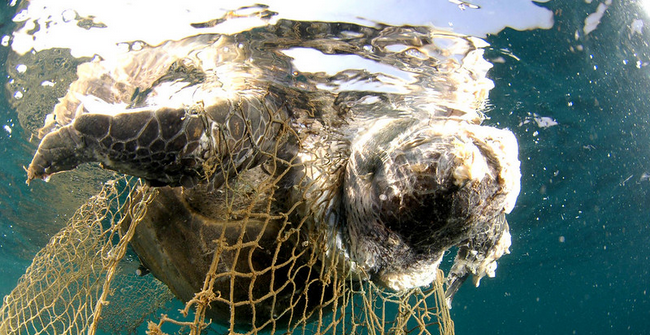
Biodiversity scientists are being urged to “fight the creeping rise of extinction denial” which has spread from fringe blogs to influential media outlets and even into a US Congressional hearing. The call-to-arms came in a paper published in Nature Ecology & Evolution last month by Alexander Lees, senior lecturer in conservation biology at Manchester Metropolitan University, and colleagues.
Continue readingHow to stop your pension fund from fuelling climate change and deforestation
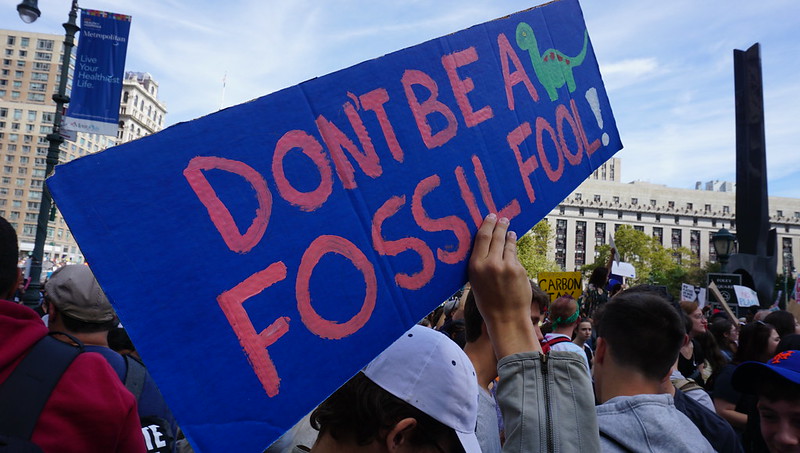
What if there was a way to fight climate change, improve society and protect nature with no costs, no sacrifices and pretty much zero effort? Would you join in? Continue reading
The coronavirus backlash against bats is a bad idea
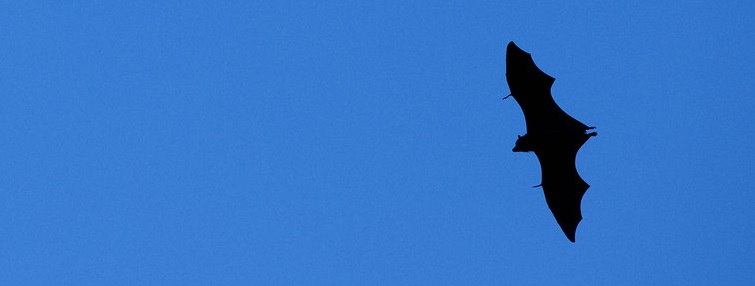
In March 2020, hundreds of bats hung crowded in cages in a market in the Indonesian city of Surakata. They waited wide-eyed to be killed and sold as meat. But Covid-19 was spreading, and people in Indonesia and elsewhere were soon blaming bats. The city authorities decided the bats could not be sold. But rather than release them into the wild, they gassed them and threw them into a fire pit, cages and all. Continue reading
Demand for meat is driving jaguars towards extinction

The emblematic top predator of South and Central America — the jaguar — is sliding towards extinction because of rising demand for meat around the world. Researchers say a “drastic reduction” in meat consumption both inside and outside the jaguar’s range will be essential to protect the species. Continue reading
Can fig trees regrow lost rainforests?

This post reproduces an interview with Erik Hoffner of Mongabay.com. Enjoy! Continue reading
Palm oil: The pros and cons of a controversial commodity

Oil palm fruit gathered at a mill in Indonesia for oil extraction
On 18 December 1591, a seven-month sea voyage from Africa to England ended when a ship anchored at Limehouse docks in London. Along with 150 elephant tusks and 589 sacks of pepper, the ship carried 32 barrels of palm oil. It is thought to have been the first arrival into Europe of what would become perhaps the most controversial plant product that is not a drug. Continue reading
Expert insights into the past progress and vital future of environment journalism

Climate Change Media Partnership Fellows from India, Brazil and the Philippines interview a Danish wind energy executive (credit: James Fahn)
How do journalists who cover the environment cope with the relentless flow of depressing information? Should they strive for neutrality or become advocates for action on issues such as climate change and the biodiversity crisis? And how can these journalists stay safe when powerful forces want to silence them, and too often succeed? Continue reading
Wanted: Climate Heroes. No experience required

There is a monster at the door and I need your help to fight it. It is a universal enemy, a threat that can connect and unite us all. It doesn’t care if you are left-wing or right, urban or rural. It is coming for us all. Defeating it is our only option. Continue reading
20 things you can do right now to join the climate fight

For so long, all the climate change news was bad. It mostly still is. But at least now there is a drip-drip-drip of good news too. We need every drip we can get. Continue reading
 Under The Banyan